Gallatin's heating & air pros — serving Sumner County, TN  ·  Call (615) 412-2495
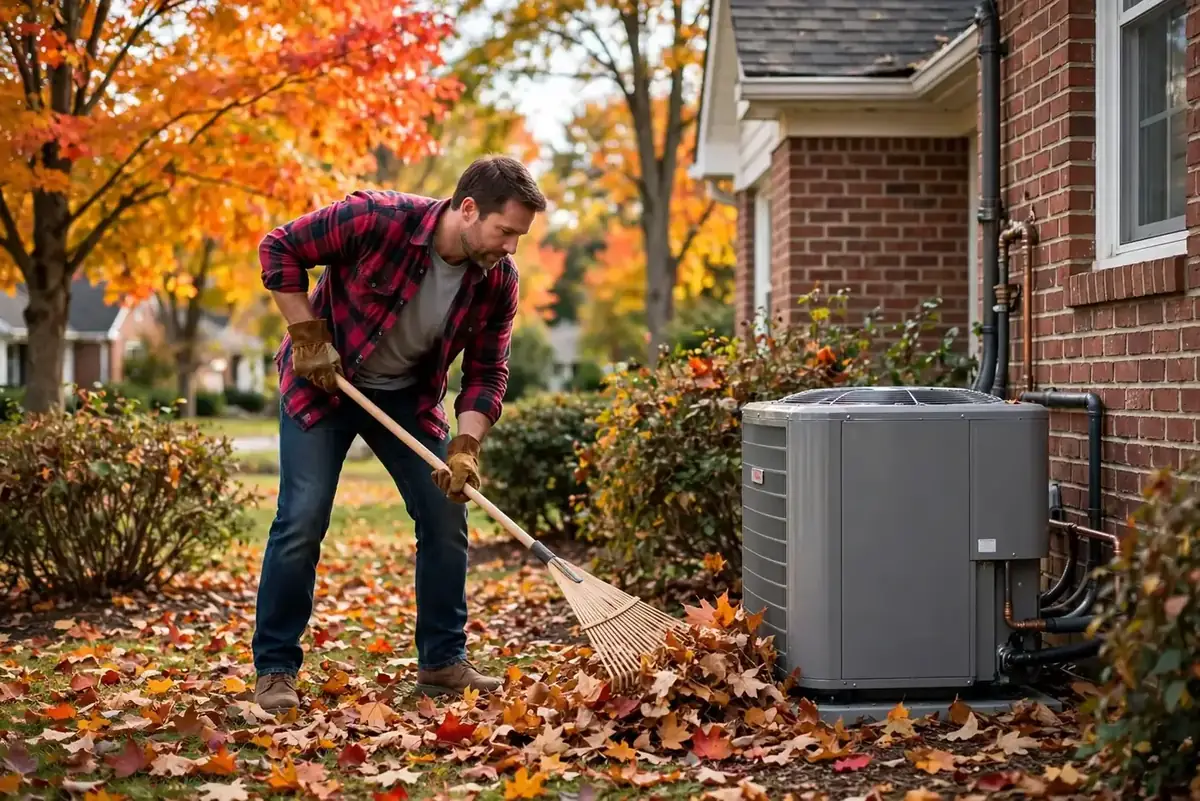
Homeowner clearing fallen autumn leaves from around an outdoor heat pump unit in Gallatin, TN

Seasonal guide

Fall Heating Checklist for Gallatin Homeowners

Every October, Middle Tennessee gets warm days and cool nights, and furnaces fire for the first time in months. Here is how to make sure yours is ready.

(615) 412-2495
  • 8 steps, most take minutes
  • Test your heat before you need it
  • Clear DIY vs. call-a-pro lines

The short answer

October is the best month to prep your heat

Every fall in Gallatin follows the same rhythm. The brutal summer eases off, days stay pleasant, nights turn crisp, and somewhere in October your heating system wakes up for the first time since spring. That first firing is when problems reveal themselves: the furnace that will not ignite, the heat pump with a weak defrost cycle, the thermostat that forgot its schedule.

The homeowners who sail through winter are the ones who find those problems in October, when technicians have open schedules and there is no urgency. The ones who wait until the first real cold snap join a line of emergency calls across Sumner County. This checklist takes an afternoon at most, and it is the difference between those two Octobers.

The checklist

Your 8-step fall heating checklist

1. Schedule a fall tune-up

A professional heating tune-up before the season is the single highest-value item on this list. A tech inspects the heat exchanger, tests ignition and safety controls, checks electrical connections, and verifies airflow. For heat pumps, it includes the defrost cycle and auxiliary heat staging. Book it in October, not December.

2. Replace the filter

Start heating season with a clean filter. After a long cooling season fighting Gallatin's humidity, yours is due. Mark the date on the new one so you know when it went in.

3. Test heat mode early

On a mild day, switch to HEAT, set the thermostat a few degrees above room temperature, and run it for 15 to 20 minutes. Confirm warm air at the vents. Finding a dead furnace now is a tune-up visit; finding it on a freezing night is an emergency call.

4. Set your thermostat for heat

Flip programmable thermostats to their heating schedules and confirm the mode is HEAT, not EM heat. If you have a heat pump, make sure the thermostat is configured for heat pump operation so it does not run expensive backup heat as the primary source.

5. Test CO detectors

Any home with a gas furnace, gas water heater, or fireplace needs working carbon monoxide detectors. Press the test button on each one, replace batteries, and replace any detector older than 7 to 10 years. This is the safety item that matters most on this list.

6. Clear the outdoor unit

Fall leaves pile up fast around outdoor units in neighborhoods with mature trees, from Clear Lake Meadows to Cambridge Farms. Clear leaves, sticks, and debris at least two feet around the unit. Heat pumps run all winter, and they need that airflow.

7. Walk your vents and registers

Open every supply register, including the ones closed for summer balancing, and make sure returns are not blocked by furniture or rugs. A surprising number of "cold rooms" are just blocked vents.

8. Give the furnace breathing room

Make sure nothing is stored against the furnace or blocking its combustion air openings. Boxes, paint cans, and laundry piled around the unit are a fire and carbon monoxide risk. This takes two minutes.

Bonus: know your system's age

If your furnace or heat pump is pushing 15 years, fall is the time to start planning, not panicking. Get a replacement conversation on your schedule, before a midwinter failure forces one.

Safety first

Carbon monoxide deserves its own mention

We are not here to scare you, but a fall checklist would be incomplete without this. Cracked heat exchangers and blocked flues can allow carbon monoxide into your home, and CO is odorless and colorless. Working detectors on every level are non-negotiable in homes with fuel-burning equipment. If a detector ever alarms, get everyone out and call 911 before calling us. The EPA's guidance on indoor air quality and carbon monoxide safety is worth reading if you want the full picture.

This is also why a fall tune-up includes a heat exchanger inspection. It is one of the few things on this list you cannot do yourself, and it is one of the most important. Our furnace repair and heat pump repair pages describe what our technicians check during heating season visits across the 37066 area.

Honest boundaries

Know where DIY ends

Filters, thermostat settings, detector batteries, clearing leaves, and opening vents: all homeowner work, and we encourage it. Everything involving gas, burners, the heat exchanger, ignition components, or internal electrical parts belongs to a licensed technician. If you smell gas at any point, do not troubleshoot. Leave the house and call the gas company or 911.

The first heat test is also a good moment to listen. Rattling, booming on startup, or a blower that sounds strained are all worth a professional look before the system runs daily for months. Gallatin HVAC Repair Pro would rather find a failing igniter in October than replace a cracked heat exchanger in January. A fall visit to our maintenance and tune-up page shows exactly what our heating checkup covers.

Common questions

Fall heating FAQs

October is ideal in Middle Tennessee. The weather is mild, technicians have open schedules, and any problems get fixed before the first real cold snap. Waiting until the first freezing night means competing with every other homeowner for emergency slots.

On a mild fall day, switch the thermostat to HEAT, set it a few degrees above room temperature, and let it run for 15 to 20 minutes. Check that warm air comes from the vents and listen for unusual noises. A brief dusty smell on first startup is normal; anything persistent is not.

Dust settles on the heat exchanger and burners during the months the furnace sits idle, and it burns off when the system fires for the first time. The smell should fade within an hour. If it persists, or smells like gas or burning plastic, turn the system off and call a technician.

Get your fall tune-up on the calendar

October slots fill up. Call now and head into heating season with confidence.

(615) 412-2495 Call Gallatin HVAC Repair Pro
Call (615) 412-2495 Get Service