Gallatin's heating & air pros — serving Sumner County, TN  ·  Call (615) 412-2495
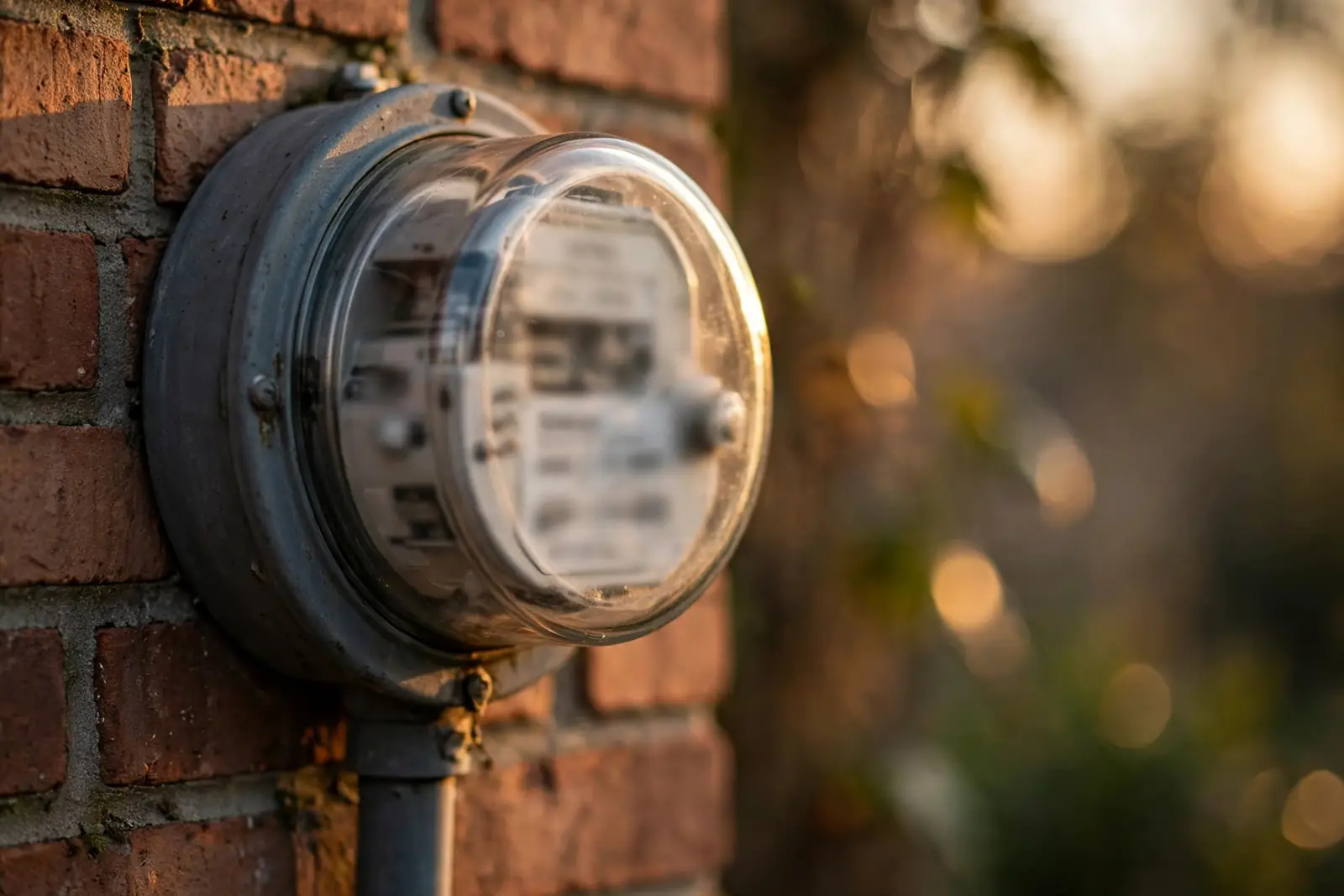
Residential electric meter on the brick side of a house in warm evening light

Energy guide

Why Is My Electric Bill So High?

Heating and cooling is the biggest electricity user in most Gallatin homes. When the bill spikes, these are the HVAC culprits to check first.

(615) 412-2495
  • The 5 HVAC causes of bill spikes
  • Gallatin summer and winter context
  • What you can check vs. what needs a pro

The short answer

Start with your HVAC system

When a homeowner in the 37066 ZIP opens a shocking electric bill, the heating and cooling system is the prime suspect. In most homes it is the single largest electricity user, and it is the one appliance whose energy use can quietly double when something goes wrong. A stuck control, a frozen coil, or leaky ducts can all turn a normal bill into a painful one without any obvious symptom inside the house.

Before you call the power company, rule out the five culprits below. And for the bigger picture on cutting usage, ENERGY STAR's tips for lowering your home's energy use cover the habits and upgrades that matter most.

The culprits

Five HVAC problems that spike your bill

1. Emergency or auxiliary heat stuck on

The number one winter bill-killer. Electric backup heat costs two to three times what a heat pump costs to run. If a control failure or wiring issue locks it on, your bill can double in a month. Check your thermostat display for EM or AUX indicators.

2. Leaky ductwork

Ducts running through hot attics or crawl spaces can leak a large share of your conditioned air before it ever reaches a room. The system runs longer to compensate, and you pay for air that heated your attic. This is especially common in older Gallatin homes.

3. Frozen coils or low refrigerant

A system low on refrigerant or starved for airflow ices up and loses capacity. It runs and runs without satisfying the thermostat, which is the worst combination for your bill: maximum runtime, minimum comfort.

4. A failing component

A struggling blower motor, a compressor drawing high amps, or a capacitor on its way out can all pull excess electricity. These often show up as a gradually climbing bill before they show up as a breakdown.

5. An aging, inefficient system

A 15-year-old system that was mid-efficiency when new is simply more expensive to run than modern equipment, especially through a long Gallatin cooling season. At some point the monthly penalty outweighs the replacement cost.

6. Thermostat habits

Cranking the thermostat way down on the hottest days does not cool the house faster; it just runs the system at full tilt longer. Big setpoint swings cost more than steady, reasonable settings.

Local context

Why Gallatin summers hit bills so hard

Our cooling season is long and humid. From June through September, air conditioners across Sumner County run daily against heat and moisture rolling in off Old Hickory Lake. That is normal and expected. What is not normal is a bill that jumps far beyond your usual summer pattern.

Compare this year's bill to the same month last year, not to last month. Rates, weather, and billing cycles all shift. If July's bill dwarfs last July's and the weather was comparable, something in the system changed, and that is worth investigating. Homes in lakeside neighborhoods like Fairvue Plantation and Clear Lake Meadows deal with extra humidity load, which makes airflow and refrigerant problems show up faster and cost more.

The same logic applies in winter for heat pump homes: compare January to January. A sudden winter spike with no weather explanation points straight at auxiliary heat running too much, which is a diagnostic issue we see often. Heat pump repair visits frequently start with exactly this complaint.

What to do

Check these before you call

  • Look at the thermostat: is EM heat or AUX heat showing when it should not be?
  • Change the filter if it is dirty. Restricted airflow wastes energy every single cycle.
  • Walk the house: are all vents open and unblocked? Closed vents do not save energy; they strain the system.
  • Look at the outdoor unit: is it buried in weeds or debris? It needs clear airflow to run efficiently.
  • Compare bills year over year, and check for a rate change or estimated reading on the bill itself.

If the basics check out and the bill is still out of line, it is time for a professional look. A tune-up with electrical measurements can find a failing motor or a refrigerant issue long before it becomes a breakdown. That is the core of our HVAC maintenance visits, and it is often where mystery bill spikes get solved.

Duct leakage deserves special attention because homeowners cannot see it. If your bills are high, some rooms are uncomfortable, and the system seems to run forever, ductwork inspection and sealing may pay for itself faster than any other single improvement. Gallatin HVAC Repair Pro can test and show you what your ducts are actually doing.

The debate

Does keeping one temperature all day save money?

Homeowners genuinely disagree on this one, and both sides have a point. Holding a steady temperature avoids the big recovery run when the system works hard to catch up. But raising the setpoint a few degrees while you are away means the system simply runs less, and runtime is what you pay for.

Our take: a modest daytime setback of 3 to 4 degrees saves energy without punishing you with a long recovery, as long as the system is properly sized. What does not save money is turning the system completely off on a 95-degree day and then asking it to pull the house back down 10 degrees in the evening. That long, hard run through the hottest part of the afternoon wipes out the savings. If high bills are a pattern and the system is old, our AC repair team can also tell you honestly whether efficiency has degraded enough to consider replacement.

Common questions

High electric bill FAQs

A sudden spike usually means something changed: emergency heat stuck on, a frozen coil making the system run nonstop, a failing component drawing excess power, or a new rate or billing change. Rule out the HVAC causes first, since heating and cooling are typically the largest share of a home's electricity use.

Yes. Electric resistance backup heat can cost two to three times what a heat pump costs to run, and a system with a refrigerant or airflow problem can run twice as long to do the same job. Both show up fast on a monthly bill.

Check whether the weather changed sharply, whether auxiliary or emergency heat has been running, and whether your usage pattern changed. If none of those explain it, have the HVAC system inspected for a stuck control, failing part, or duct problem before assuming the bill is wrong.

Homeowners genuinely disagree on this. Keeping a steady temperature avoids recovery spikes, but raising the setpoint while you are away reduces total runtime. In our experience, a modest setback of a few degrees during the day saves energy without the long recovery run, especially with a properly sized system.

Bill spiked and you cannot explain it?

We will find out what your system is actually doing and show you the numbers.

(615) 412-2495 Call Gallatin HVAC Repair Pro
Call (615) 412-2495 Get Service