Gallatin's heating & air pros — serving Sumner County, TN  ·  Call (615) 412-2495
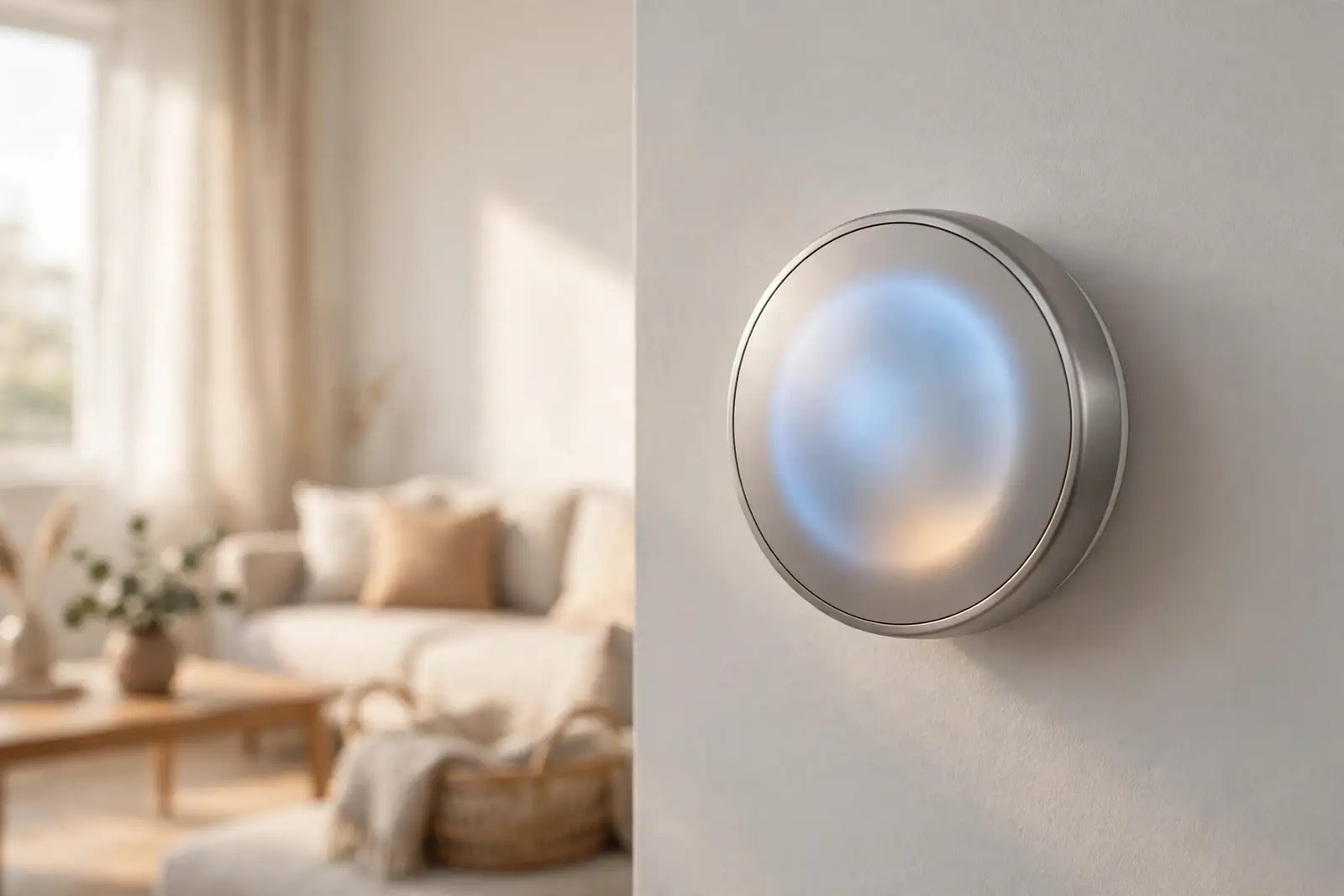
Modern smart thermostat mounted on a light gray living room wall in a Gallatin home

Thermostat guide

Thermostat Fan: ON vs. AUTO (and Smart Thermostat Tips)

One of the most argued-about settings in home comfort. We will give you both sides honestly, then help you pick for your home.

(615) 412-2495
  • Both sides of the ON vs. AUTO debate
  • Smart thermostat tips without the hype
  • Compatibility checks before you buy

The short answer

For most Gallatin homes: AUTO

Your thermostat's fan setting controls whether the indoor blower runs all the time or only when the system is actively heating or cooling. ON means the fan never stops. AUTO means it cycles with the equipment. For most homes in our area, AUTO is the better default, and we will explain why. But the ON camp has real arguments too, and you deserve to hear them before deciding.

Both sides

The honest case for each setting

The case for AUTO

  • Lower energy use. The blower is a meaningful electricity draw. Running it only during cycles cuts that cost.
  • Better dehumidification. In our humid Middle Tennessee summers, moisture condenses on the cold indoor coil and drains away. With the fan on constantly, air keeps blowing across that wet coil between cycles and re-evaporates moisture back into your home.
  • Less wear. Fewer run hours means longer blower motor life and fewer filter changes.
  • Quieter house. The system goes silent between cycles instead of humming all day.

The case for ON

  • More even temperatures. Constant circulation reduces hot and cold spots between rooms and floors, which matters in two-story homes.
  • Better filtration. Air passes through the filter continuously, which can help with dust and allergies.
  • Less starting and stopping. Some homeowners prefer the steady background airflow to the on-off cycling.

Here is our honest read for the 37066 area: the humidity argument usually wins. Gallatin summers are humid enough that re-evaporation from a constantly running fan is a real comfort problem, not a theoretical one. If your home has stubborn hot and cold spots, the better fix is usually addressing the cause, duct balancing or airflow issues, rather than running the fan 24/7 to mask it. That said, some homeowners with allergies or specific comfort needs genuinely prefer ON, and that is a legitimate choice as long as you know it costs more to run.

A middle ground exists too: many thermostats offer a circulation mode that runs the fan a set number of minutes per hour, giving you some of the mixing benefit without the full energy and humidity penalty. If uneven temperatures are your main complaint, our ductwork evaluations often find the actual culprit.

Getting more from yours

Smart thermostat habits that actually pay off

Whether your thermostat is smart or simply programmable, most of its value comes from one thing: a sensible schedule that matches your life. Automatic setbacks when you are away or asleep save energy because the system runs less. That is the whole trick. The learning algorithms and phone apps are conveniences layered on top, and ENERGY STAR's advice on smart thermostats backs up the schedule-first view.

  • Program real setbacks. A thermostat left on one temperature all day saves nothing, smart or not. Set lower heating and higher cooling targets for work hours and sleep.
  • Go easy on geofencing with heat pumps. Deep setbacks that trigger long aux-heat recovery runs can cost more than they save. Moderate setbacks of a few degrees work better.
  • Keep it out of direct sun and drafts. A thermostat in a sunny hallway or above a heat-producing appliance reads the wrong temperature and short-cycles your system.
  • Use the filter reminders. Most smart models can nag you about filter changes. Say yes. A clogged filter sits behind a remarkable share of comfort complaints.
  • Revisit the schedule seasonally. The program that worked in July rarely fits October. Daylight, routines, and heating behavior all change with the season.

Settings only go so far, though. If the thermostat itself is aging, mismatched to your equipment, or was never configured for your system type, no schedule will fix that. That is installation territory, and our thermostat installation and service team handles the wiring and compatibility side.

Troubleshooting

Thermostat problems that mimic bigger failures

Before you assume the worst about your system, check the thermostat. We see these constantly in homes from Fairvue Plantation to Foxland Harbor:

  • Fan set to ON instead of AUTO makes it feel like the AC is blowing warm air between cooling cycles.
  • Heat pump thermostat in conventional mode runs expensive backup heat as the main source.
  • Dead batteries or a tripped breaker leave the display blank and the system dead.
  • Eco or away modes left on can override your settings and leave you wondering why nothing responds.

These are five-minute checks that solve a surprising share of "my system is broken" calls. And if the thermostat checks out but comfort problems persist, airflow and filtration are the next place to look, which ties into indoor air quality more than most homeowners expect. Gallatin HVAC Repair Pro is happy to talk through any of this by phone before you book a visit.

Common questions

Thermostat FAQs

For most homes, AUTO is the better default: the fan runs only during heating or cooling cycles, which saves energy and dehumidifies better. ON can help even out temperatures between rooms but uses more electricity and can re-evaporate moisture off the coil in humid climates.

It can even out temperatures between rooms, since constant circulation mixes the air. But it will not fix the underlying cause - undersized ducts, poor insulation, or a system struggling to keep up. If some rooms are always off, the ductwork or equipment sizing deserves a look before you resign yourself to a higher electric bill.

It can, mainly through automatic setbacks when you are away or asleep. But the savings come from the schedule, not the gadget. A basic programmable thermostat with a sensible program saves about as much as a smart one that nobody programs.

Yes, and many homeowners do. AUTO is the best default for humid summers, when constant fan operation re-evaporates moisture off the coil. In mild shoulder seasons, some people run ON for a few hours a day to keep air moving and even out temperatures. There is no rule against switching - just remember which mode you left it in.

Thermostat acting strange?

We will sort out settings, wiring, and compatibility, no upsell attached.

(615) 412-2495 Call Gallatin HVAC Repair Pro
Call (615) 412-2495 Get Service